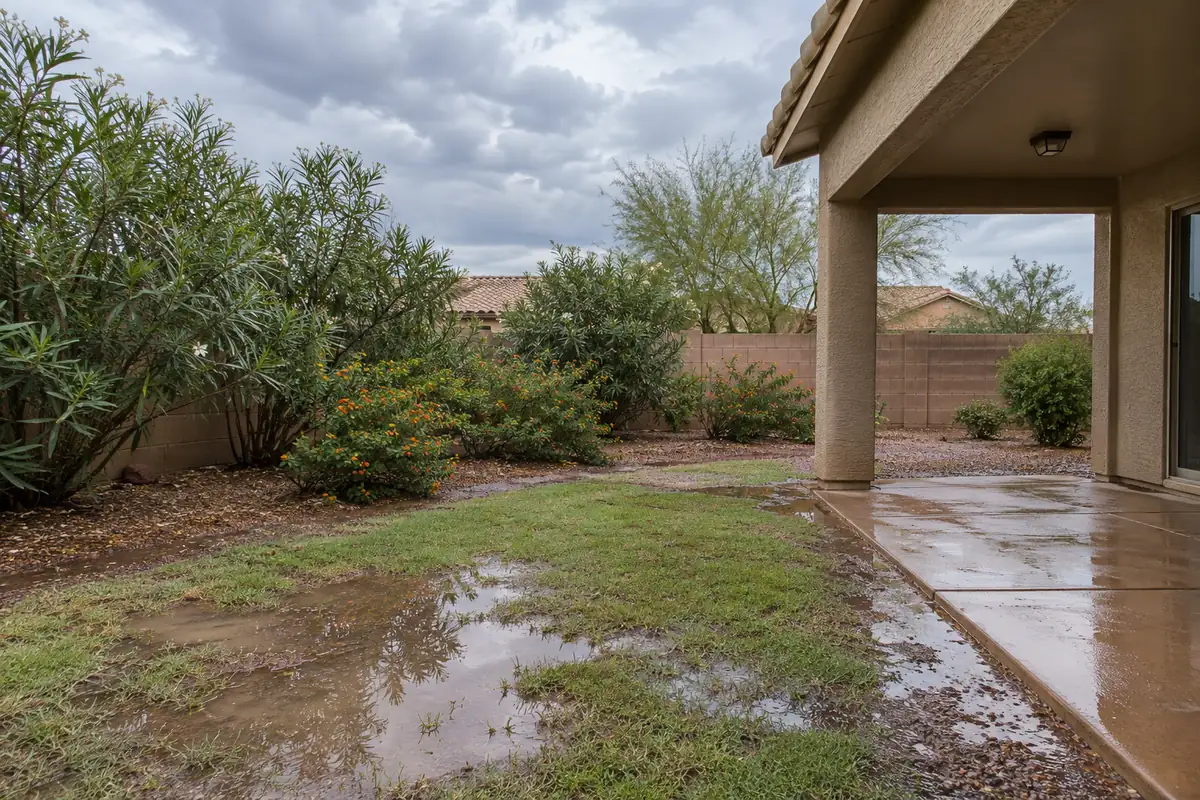
The mix that works in Allen, TX is standing water removal, treatment of resting areas and, if necessary, barrier treatments on a schedule through the season. Daytime biters, Aedes mosquitoes, breed in small containers; Culex mosquitoes, which bite at dusk, prefer stagnant water. Using Call Now to describe your yard will connect you with an independent provider serving 2 ZIP codes around Allen.
Mosquito types and when they bite
| Mosquito | Breeds in | When it bites |
|---|---|---|
| Culex (house mosquitoes) | Stagnant water in drains, ditches, ponds, neglected pools | Dusk to dawn |
| Anopheles and others | Marshes, slow streams, permanent water | Evening and night |
| Aedes (container mosquitoes) | Bottle caps, plant saucers, buckets, tires, clogged gutters | Daytime, especially early morning and late afternoon |
Yard layout that attracts mosquitoes
- Dense shrubs and ivy near patios provide shade for resting mosquitoes
- Slow-draining lawns and irrigation leaks create puddles
- Uncovered rain barrels and fountains breed larvae if not maintained
- Overhanging branches that trap rainwater in gutters
- Open ponds and fountains without fish or circulation are breeding sites
Source reduction comes first
Even a bottle cap holds enough water for mosquito eggs. Make a weekly yard walk part of your routine and tip out plant saucers, buckets, toys, tarps and birdbaths, clear clogged gutters and watch for low spots in the lawn. Birdbath water should be changed weekly, and pool covers should not hold water.
A provider can also treat standing water that cannot be drained with larvicide such as Bti, which targets mosquito larvae without harming most other wildlife.
Mosquito-borne illness and prevention
Mosquitoes can carry viruses such as West Nile virus. The CDC and state health departments publish current local guidance. Use EPA-registered repellents on skin, wear long sleeves at dusk and fix window screens. Report dead birds or heavy local mosquito activity to your county vector control program if you have one.
How a mosquito control visit works, step by step
A good visit follows the same order every time, whatever the pest. Knowing the order helps you compare what each company offers and spot a visit that skips the first two steps.
- Inspection: the technician walks the outside first (foundation, vents, utility lines, eaves, fence lines, mulch) and then the inside (kitchen, bathrooms, garage, attic or crawl space).
- Identification: the species is named from the insect, droppings, damage or trail, because the right product and method depend on it.
- Plan: the provider explains what will be done, which products or devices will be used, and what you need to do before and after.
- Treatment or exclusion: the work is done in the places the inspection found, not by spraying every room.
- Follow-up: you get a date for the next check and a clear answer on what to report if activity returns.
Questions to ask before you agree to any mosquito control
- What will you seal, remove or fix, and what stays my job?
- What species or problem did you find, and what did you see that proves it?
- What will you write down for me: scope, exclusions, follow-up and product list?
- How many visits are in the plan, and what happens if activity returns?
- Which products, baits or devices will you use, and where will they go?
- Who is on site, and can you show the state licence or applicator ID for the work?
What changes the scope of the work
Neighboring houses rarely need identical mosquito control work, because age, landscaping and moisture differ from one lot to the next. A good written scope names the factors that shaped the plan for your address and shows how each one widened or narrowed the work.
Have the company split its proposal into work done once and visits that repeat, and have it note every area it was unable to reach. If the scope specifically mentions the attic, crawl space, garage or fence line that concerned you, you can judge it far more easily than a single bundled offer.
- How far the problem has spread and how long it has been active
- Access to attics, wall voids, sheds, outbuildings and the yard
- Size and age of the home, and whether it sits on a slab, a crawl space or a basement
- Whether you want a single treatment or an ongoing plan with scheduled visits
- Number of entry points, gaps around pipes and cracks in the foundation or siding
Safety for children, pets and food
Pest products are regulated. In the United States each product carries an EPA-registered label, and the label is the legal instruction for where and how it can be used. Ask the provider for the product name and the label, and keep the paperwork you are given.
Safe handling starts with where the product goes. Locked bait stations keep children and pets out of reach, gel bait is pressed into cracks and voids instead of being left on counters, and each product has its own re-entry time. Ask when you can use the kitchen, play areas and pet bowls again, and clear away toys, bowls and food before the technician arrives.
What makes mosquito control different in Allen
Collin County city in the Dallas-Fort Worth area, north of Plano. Hot summers and mild winters; North Texas clay soil shifts and cracks, which opens paths for ants and termites.
Fire ants are common in North Texas lawns; mosquitoes surge after rain and around ponds and creeks. Subterranean termites are the main wood-destroying insect in Texas; swarm season is spring. What works in one climate or housing style can fall flat in the next, so ask each provider to explain how these local details shape the plan for your property.
Mosquito control across Allen and nearby cities
In Allen, Texas, Pest Control Allen serves 2 ZIP codes: 75002, 75013. Providers working in Plano, McKinney, Frisco, Wylie and Sachse also receive calls and requests. Each address is checked individually, which is why it helps to give your ZIP code on the call.
Use Call Now at the top of the page, describe what you found, and you will be connected with an independent provider in the area. The provider confirms the address, inspects the property and gives you the scope in writing.
Related help in Allen
If this is not quite your situation, these pages cover the neighboring questions: Rodent Control; DIY vs Professional Pest Control; Ant Control; How to Choose a Pest Control Company. The service area list shows every nearby city and ZIP code covered.
Mosquito Control in Allen: common questions
Will treating my yard stop mosquitoes from neighbors' yards?
Mosquitoes that rest and breed on your own property are reduced, although yards next to yours still add to the problem. The biggest improvement comes when neighbors also get rid of standing water.
Why are there so many mosquitoes in my yard?
Standing water within a few hundred feet is the usual cause. Small containers, clogged gutters and shaded vegetation add to it. A walk around the property often finds the sources.
Can I treat standing water myself?
Yes, larvicide for ponds and water features is sold for home use. The label says where it can go, and big or unusual water sources are better handed to a provider.
How often is mosquito treatment needed?
Expect repeat barrier treatments every few weeks through the season, the exact spacing set by product and weather. Reducing breeding sources, by contrast, is a weekly habit.
Do mosquito traps work?
Certain devices cut local numbers somewhat, yet they do not take the place of removing sources and treating. Their best use is as one part of a broader plan.
Is mosquito spray safe for pets and kids?
Providers apply products as the label directs, and there is often a short wait before the area can be used. Ask which product is used, where it goes, and when it is safe to go back.